
Ready to Ship
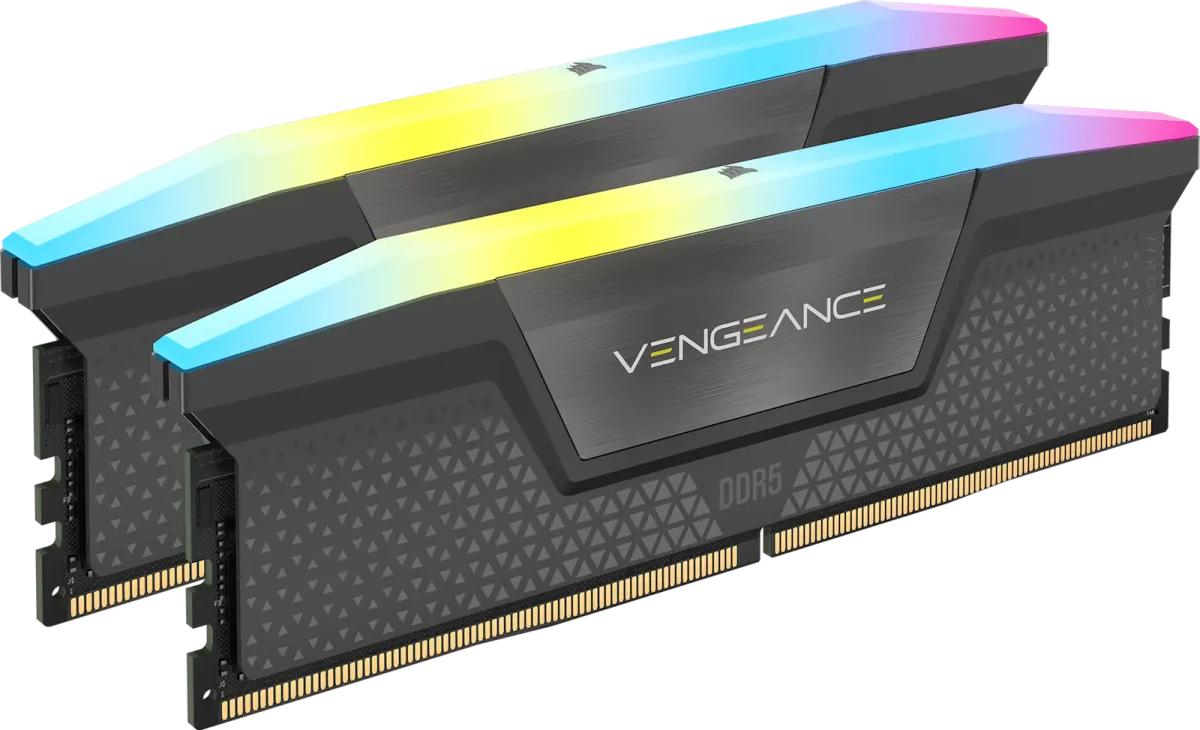

Vector Core Gaming Pc
Warranty
1 year
Delivery
Arrives by 10 October
Configuration


AED 2,249
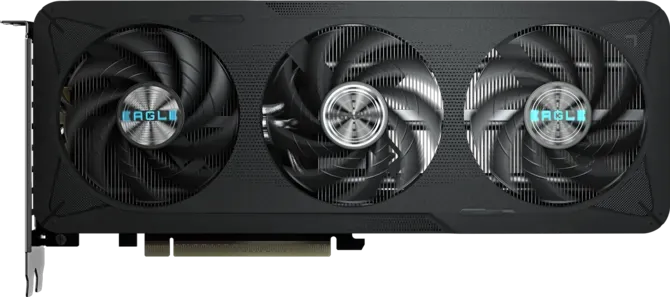
AED 620


AI Performance Benchmarks
Counter-Strike 2
Estimated Frame Rates
1080p Ultra
450 FPS
1440p Ultra
350 FPS
4K Ultra
180 FPS
Cyberpunk 2077
Estimated Frame Rates
1080p Ultra
80 FPS
1440p Ultra
55 FPS
4K Ultra
30 FPS
Valorant
Estimated Frame Rates
1080p Ultra
600 FPS
1440p Ultra
500 FPS
4K Ultra
300 FPS
Fortnite
Estimated Frame Rates
1080p Ultra
140 FPS
1440p Ultra
100 FPS
4K Ultra
60 FPS
CPU: The Intel Core Ultra 7 265KF (20 cores, 5.5 GHz boost) handles CS2's physics and game logic with ease. The game is heavily CPU-bound at high frame rates, and the 265KF's high IPC and clock speeds ensure minimal bottleneck. GPU: The RTX 5060 SHAHEEN EAGLE OC (8GB GDDR7) renders CS2 at very high frame rates. At 1080p, the GPU is barely stressed; at 1440p and 4K, it remains capable, though 4K may see some GPU limitation. VRAM usage is low (under 4GB), so 8GB is ample. Bottleneck: At 1080p, the CPU is the primary limiter, but both components are so fast that bottlenecks are negligible. At 4K, the GPU becomes the bottleneck, but still delivers playable frame rates.
CPU: The 265KF handles Cyberpunk's complex NPC AI, physics, and world simulation well, especially with ray tracing disabled. With ray tracing enabled, CPU load increases but remains manageable. GPU: The RTX 5060 is the main bottleneck here. At 1080p with high settings, it can achieve 80-95 FPS, but enabling ray tracing (especially path tracing) will drop performance significantly. At 1440p, expect 55-70 FPS without RT; with RT, it may fall below 60. At 4K, the GPU struggles, delivering 30-40 FPS without RT. VRAM: 8GB is sufficient for 1080p and 1440p without RT, but with RT and high textures, VRAM usage can exceed 8GB, causing stuttering. Bottleneck: GPU-bound in all resolutions, especially at 1440p and 4K. CPU is not a bottleneck.
CPU: Valorant is extremely CPU-light but benefits from high single-thread performance. The 265KF pushes frame rates well above 600 FPS at 1080p. GPU: The RTX 5060 is overkill for Valorant; it can render at hundreds of FPS even at 4K. VRAM usage is minimal (<2GB). Bottleneck: At 1080p, the CPU may limit frame rates to around 600-750 FPS, but this is beyond typical monitor refresh rates. At 4K, the GPU can still deliver 300-400 FPS. No significant bottlenecks.
CPU: Fortnite's building mechanics and large player counts stress the CPU, but the 265KF handles them well. In competitive settings (low graphics), CPU can push high frame rates. GPU: The RTX 5060 is capable of high frame rates at 1080p and 1440p with competitive settings. At 4K with high settings, performance drops to 60-80 FPS. VRAM: 8GB is adequate for 1080p and 1440p, but at 4K with high textures and ray tracing, VRAM may be a limiting factor. Bottleneck: At 1080p, CPU-bound in competitive mode; at 1440p and 4K, GPU-bound. Ray tracing increases GPU load significantly.
Overall, the build is well-balanced for 1080p and 1440p gaming. The CPU (265KF) is very strong and will not bottleneck the GPU in most games. The GPU (RTX 5060) is the limiting factor for demanding AAA titles at higher resolutions and ray tracing. For esports titles, the CPU may be the limiter at 1080p, but frame rates are extremely high. The power supply (700W Bronze) is adequate but may limit future upgrades. The cooler (240mm AIO) is sufficient for the 265KF under gaming loads.
This build should last 3-4 years for 1080p gaming and 2-3 years for 1440p gaming at high settings. The 8GB VRAM on the GPU may become a limitation sooner for future AAA titles with high texture packs and ray tracing. The CPU is strong and will remain capable for many years. Upgrading the GPU in 2-3 years would extend the build's life. The power supply has limited headroom for a high-end GPU upgrade.
CPU: The 265KF handles Cyberpunk's complex NPC AI, physics, and world simulation well, especially with ray tracing disabled. With ray tracing enabled, CPU load increases but remains manageable. GPU: The RTX 5060 is the main bottleneck here. At 1080p with high settings, it can achieve 80-95 FPS, but enabling ray tracing (especially path tracing) will drop performance significantly. At 1440p, expect 55-70 FPS without RT; with RT, it may fall below 60. At 4K, the GPU struggles, delivering 30-40 FPS without RT. VRAM: 8GB is sufficient for 1080p and 1440p without RT, but with RT and high textures, VRAM usage can exceed 8GB, causing stuttering. Bottleneck: GPU-bound in all resolutions, especially at 1440p and 4K. CPU is not a bottleneck.
CPU: Valorant is extremely CPU-light but benefits from high single-thread performance. The 265KF pushes frame rates well above 600 FPS at 1080p. GPU: The RTX 5060 is overkill for Valorant; it can render at hundreds of FPS even at 4K. VRAM usage is minimal (<2GB). Bottleneck: At 1080p, the CPU may limit frame rates to around 600-750 FPS, but this is beyond typical monitor refresh rates. At 4K, the GPU can still deliver 300-400 FPS. No significant bottlenecks.
CPU: Fortnite's building mechanics and large player counts stress the CPU, but the 265KF handles them well. In competitive settings (low graphics), CPU can push high frame rates. GPU: The RTX 5060 is capable of high frame rates at 1080p and 1440p with competitive settings. At 4K with high settings, performance drops to 60-80 FPS. VRAM: 8GB is adequate for 1080p and 1440p, but at 4K with high textures and ray tracing, VRAM may be a limiting factor. Bottleneck: At 1080p, CPU-bound in competitive mode; at 1440p and 4K, GPU-bound. Ray tracing increases GPU load significantly.
Overall, the build is well-balanced for 1080p and 1440p gaming. The CPU (265KF) is very strong and will not bottleneck the GPU in most games. The GPU (RTX 5060) is the limiting factor for demanding AAA titles at higher resolutions and ray tracing. For esports titles, the CPU may be the limiter at 1080p, but frame rates are extremely high. The power supply (700W Bronze) is adequate but may limit future upgrades. The cooler (240mm AIO) is sufficient for the 265KF under gaming loads.
This build should last 3-4 years for 1080p gaming and 2-3 years for 1440p gaming at high settings. The 8GB VRAM on the GPU may become a limitation sooner for future AAA titles with high texture packs and ray tracing. The CPU is strong and will remain capable for many years. Upgrading the GPU in 2-3 years would extend the build's life. The power supply has limited headroom for a high-end GPU upgrade.